
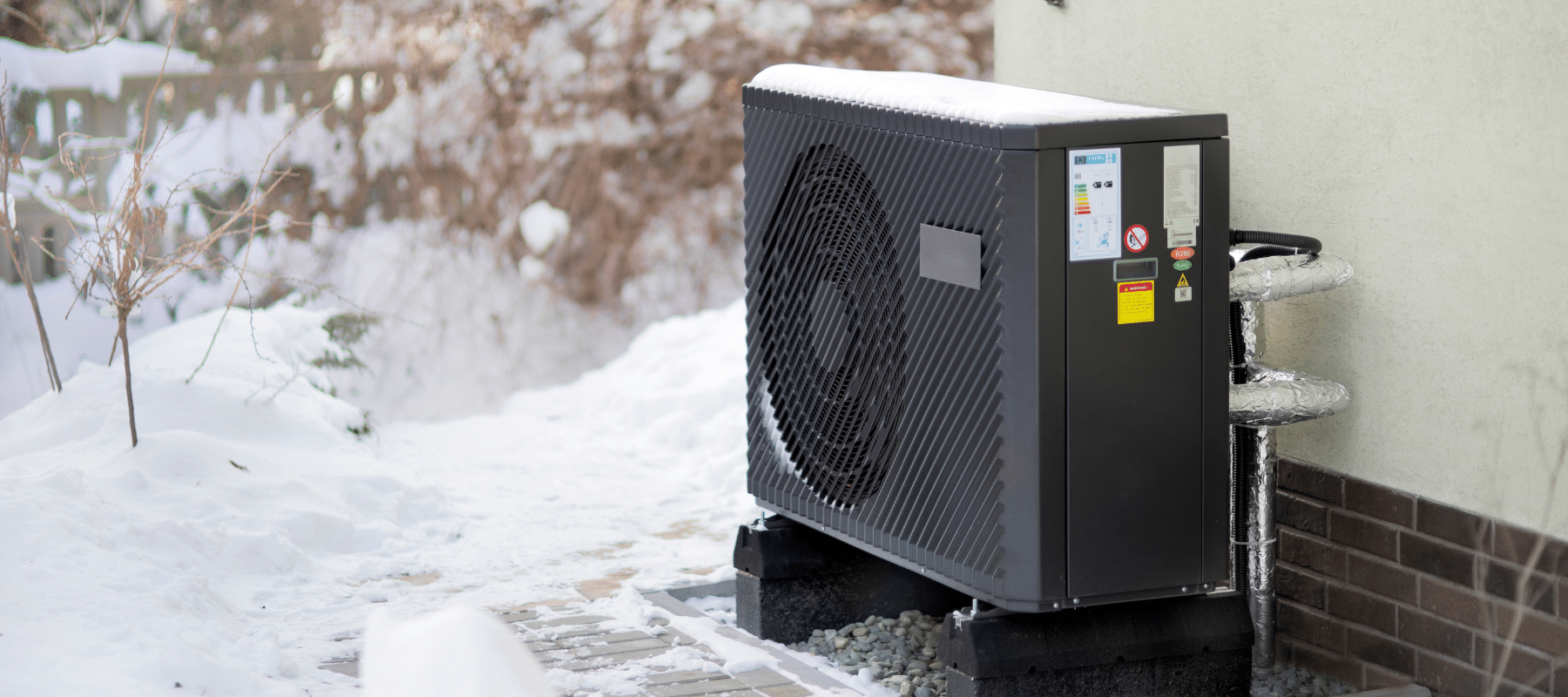
Does Weather Affect My Heat Pump’s Performance?
Quick Answers:
If your heat pump seems to run differently in winter, you’re not imagining it. Heat pump issues in cold weather are common, but many are part of normal operation. Understanding how cold temperatures affect performance can help you know when to relax and when to call for service.
How New Mexico Weather Challenges Your Comfort System
Winter in the Four Corners region rarely follows a predictable script. One day in Farmington might bring clear skies and mild afternoon temperatures, while the next dips below freezing overnight. These seasonal temperature swings are common across northwest New Mexico and can leave homeowners wondering whether their heat pump is keeping up.
At Robbins Heating & Air Conditioning, we’ve spent over a decade serving this area, and one of the most common concerns we hear each winter involves heat pump issues in cold weather. The good news is that many cold-weather changes are normal, and understanding how your system responds to Farmington’s climate can help you stay comfortable all season long.
Understanding The Basics: How Heat Pumps Work During Winter
A heat pump works differently from a traditional furnace and is part of your overall air conditioning and heat pump system designed to provide year-round comfort. Instead of burning fuel to generate heat, it transfers the heat from the outside air into your home. Even when it’s cold outside, there’s still some heat in the air that the system can capture and move indoors.
However, as temperatures drop, there’s less available heat to transfer. This is why heat pump efficiency during cold weather naturally decreases compared to milder conditions. Modern heat pumps are made to work in colder climates, but they may run longer or rely on backup heating during extreme cold snaps.
Common Heat Pump Issues In Cold Weather: What’s Normal vs. What Signals A Problem?
When winter settles into the Farmington area, it’s normal to notice some changes in how your system operates. Understanding the difference between normal winter operation and a true issue can save you unnecessary worry.
Normal cold-weather behavior includes the following:
- The system runs for longer cycles
- You hear occasional defrost activity
- Air from the vents feels warm, but not hot
Signs you should schedule service include:
- The system blows cold air continuously
- Ice builds up on the outdoor unit and never melts
- Your energy bills suddenly spike
- The home never reaches the thermostat setting
If you notice these warning signs — or have questions about the well-being of your heat pump — it’s best to have a professional take a closer look.
How Farmington’s Climate Affects Heat Pump Efficiency During Cold Weather
Homes in Farmington and nearby communities experience high-desert conditions that can challenge heating systems. Cold, dry air and significant temperature swings between day and night are common throughout the winter months.
Overnight lows can drop well below freezing, especially during cold fronts moving through the Four Corners region. These temperature changes force heat pumps to work harder and sometimes rely on auxiliary heat. Wind, dust and occasional snow accumulation around the outdoor unit can also restrict airflow and affect heat pump efficiency during cold weather.
Because of these local conditions, proper installation, system sizing and regular maintenance are especially important for homeowners in northwest New Mexico. With proper preparation, heat pumps can still be a reliable source of comfort for homes throughout Farmington.
Simple Ways To Help Your Heat Pump
A few small steps can make a big difference in how your system performs during colder months.
- Keep snow, leaves and debris cleared around the outdoor unit.
- Replace or clean air filters regularly.
- Schedule seasonal maintenance before winter arrives.
These simple habits help your system operate more efficiently and reduce strain during extreme weather.
Stay Comfortable No Matter The Forecast
Cold weather will always influence how a heat pump performs, but that doesn’t mean your system isn’t working properly. Most seasonal changes are completely normal, and with the right maintenance and professional support, a heat pump can provide the comfort you need throughout the Farmington winter.
If you’re concerned about performance or want to prepare your system for colder temperatures, our experts at Robbins Heating & Air Conditioning are here to help — reach out to schedule your consultation!
Featured In










Farmington, NM 87401